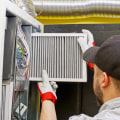
Indoor air quality (IAQ) conversations often revolve around air-conditioning equipment—filters, coils, drain pans, and duct sealing—but the lived reality of most buildings reveals that HVAC is only one part of a much larger cleanliness ecosystem. Commercial properties accumulate dust, textile fibers, VOC residues, tracked-in soils, and biological contaminants across surfaces that never travel through an air handler yet profoundly influence IAQ outcomes. This is where commercial cleaning plays a decisive but underappreciated role: it manages the particulate reservoirs, humidity interactions, and off-gassing sources that determine how the air “feels” long after equipment maintenance is finished. AC technicians keep mechanical systems functional; cleaners keep the breathing environment healthy. Without the latter, even freshly serviced HVAC systems struggle to deliver comfort, because they are forced to circulate the very contaminants that routine cleaning should have removed.
Particle Reservoirs Outside the HVAC System
Soft furnishings—carpet, upholstery, acoustic panels—act like sponges for dust and fibers, absorbing airborne particulates during occupancy and releasing them when disturbed by foot traffic, door closings, or airflow bursts. None of this particulate load originates at the HVAC coil, yet it ultimately returns to the air stream and fouls filters sooner than expected. Hard surfaces behave differently: desks, shelving, light fixtures, and high ledges collect dust that resists casual cleaning and becomes entrained in air currents throughout the day. Ceiling tiles absorb humidity and airborne VOCs, subtly off-gassing into the breathing zone during temperature swings. These reservoirs must be managed through coordinated cleaning strategies—HEPA vacuuming, microfiber dusting, periodic extraction, and controlled chemical use—if IAQ is to remain stable.
VOCs, Odors, and Chemical Load
AC servicing rarely addresses VOC accumulation. New carpets, adhesives, furniture, and wall finishes off-gas for months, sometimes years, depending on coating chemistry and ventilation rates. Cleaners influence VOC behavior through both dilution (ventilation during cleaning) and selection of low-emission products. Poorly chosen chemicals can amplify IAQ burdens by layering fragrances, solvents, or reactive compounds onto finishes. Conversely, neutral or plant-based formulations paired with fan-assisted purge cycles can accelerate VOC dissipation. Odor control works similarly: surface biofilms, food residues, and moisture pockets cause odors that HVAC recirculates; cleaning removes the source before recirculation occurs.
Moisture, Humidity, and Microbial Dynamics
Humidity management is often presumed to be purely mechanical, yet janitorial workflows directly affect moisture loads. Mopping large floor areas, shampooing carpets, or using spray-and-wipe methods without adequate ventilation can raise local humidity, encouraging mold growth on unfinished edges, behind furniture, or in ceiling voids. Cleaners who coordinate with building operations—running exhaust, scheduling after-hours purge cycles, or spacing wet tasks—prevent humidity spikes that mechanical systems must otherwise overcome. This coordination reduces mold risk, protects finishes, and improves perceived air freshness.
Facilities Coordination and Continuous IAQ
The strongest IAQ outcomes emerge when HVAC servicing and cleaning operate as a unified strategy. AC technicians flag clogged filters and biofilm-prone coils; cleaners reduce debris loads that contribute to filter fouling; facility managers synchronize schedules to avoid introducing moisture or chemicals during peak occupancy. In many metropolitan markets, the practices associated with Sydney office cleaning demonstrate how comprehensive cleaning programs improve IAQ beyond what mechanical servicing alone can offer, particularly in dense office layouts where occupant density and material variety amplify IAQ sensitivity.
Rethinking IAQ Responsibility
Ultimately, commercial cleaning redefines IAQ from a mechanical variable to a building-wide hygiene system. By addressing surface reservoirs, VOC sources, microbial conditions, and particulate cycling, cleaners make indoor air easier for HVAC systems to condition—and easier for occupants to breathe. In an era of heightened wellness expectations and post-pandemic awareness, this integrated approach is becoming less optional and more foundational to building performance.