Air conditioning systems work harder than almost any other appliance in the home, especially during long stretches of heat and humidity. Over time, constant operation leads to natural wear on electrical components, airflow pathways, and mechanical parts. Many homeowners don’t realize their AC is struggling until comfort noticeably declines, energy bills spike, or the system stops working entirely. The most common problems usually develop slowly, beginning with restricted airflow, minor electrical faults, or reduced refrigerant efficiency. Because these issues often start small and remain hidden inside the system, professional service plays a critical role in identifying problems early, before they trigger expensive breakdowns or complete system failure.
Weak Airflow, Dirty Components, and Cooling Imbalances
One of the most frequent AC complaints is weak airflow coming from vents. This issue is commonly caused by clogged air filters, dirty evaporator coils, or obstructions inside the duct system. When airflow is restricted, the system must run longer to reach the desired temperature, which increases energy consumption and accelerates wear. Another related problem is uneven cooling, where one room feels comfortable while another remains warm and stale. Professional service corrects these issues by replacing filters, cleaning coils, inspecting duct connections, and recalibrating airflow distribution. Once airflow is restored, homeowners often notice immediate improvements in indoor comfort and system responsiveness.
Refrigerant Leaks and Frozen Components
Low refrigerant is another widespread AC problem that significantly reduces cooling performance. Refrigerant does not get “used up,” so when levels drop, it usually signals a leak in the system. Low refrigerant causes the AC to blow warm air, struggle to maintain temperature, or form ice on the evaporator coils. Frozen components further restrict airflow, creating a cycle of poor performance and rising strain. Trained technicians locate leaks using specialized detection methods, repair damaged lines, and recharge the system to proper levels. Once serviced, the AC can cool efficiently again without the constant risk of icing and compressor stress.
Electrical Failures and Thermostat Malfunctions
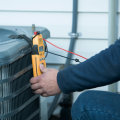
AC systems rely on a complex network of electrical components, including capacitors, contactors, relays, and wiring connections. When these parts weaken or fail, the system may refuse to start, shut down unexpectedly, or cycle erratically. Faulty thermostats can also cause confusion by misreading indoor temperatures or failing to communicate properly with the unit. Professional AC service addresses these problems by testing electrical connections, replacing worn components, and recalibrating or upgrading thermostats when needed. Reliable electrical performance restores consistent cooling while protecting major components from damage caused by unstable power delivery.
Drainage Issues, Moisture Buildup, and Hidden Water Damage
Condensation is a normal part of the cooling process, but when drain lines become clogged with algae, dust, or debris, water can back up into the system or overflow into the home. This can lead to water damage, increased humidity, and mold growth around the air handler. Service technicians flush drain lines, clear blockages, and ensure proper drainage flow to prevent moisture-related damage. Maintaining clean drainage also supports indoor air quality, reducing the circulation of airborne allergens created by excess moisture. In the broader picture of complete property care, companies like Ragin Cajun pressure washing operate in parallel exterior environments where professional cleaning also helps control moisture, growth, and buildup around the home’s outer surfaces.
How Routine AC Service Prevents Major Failures
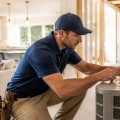
Routine AC service is the most effective way to prevent these common problems from escalating into full system breakdowns. During scheduled inspections, technicians clean internal components, test system pressures, evaluate electrical performance, inspect refrigerant levels, and verify airflow balance. These proactive steps allow small issues to be corrected early, extending system lifespan and maintaining consistent efficiency. Homeowners benefit from lower energy bills, fewer emergency repairs, and steadier indoor comfort throughout peak cooling seasons. Instead of reacting to sudden failures during the hottest days of the year, regular service transforms AC ownership into a predictable, stress-free experience where comfort is preserved before problems ever take control.