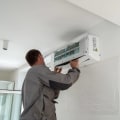
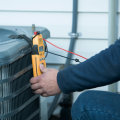
When a home sits empty between move-out and move-in, its air conditioning system quietly experiences conditions very different from normal daily use. HVAC systems are designed to operate regularly, cycling air, managing humidity, and maintaining internal balance. During vacancy, thermostats are often turned off or set far higher than usual to save energy, allowing heat and moisture to build up inside the structure. This prolonged stagnation places stress on components that rely on consistent operation, such as compressors, blower motors, and sensors. By the time new occupants arrive and expect immediate comfort, the AC system may already be compromised, struggling to respond after weeks or months of minimal use.
Moisture, Dust, and Mechanical Dormancy
One of the most common reasons AC units struggle after vacancy is moisture accumulation. Without regular airflow, humidity can linger inside ductwork, coils, and drain pans, increasing the risk of mold growth or clogged condensate lines. At the same time, dust and debris settle more easily in inactive systems, coating filters and internal components. When the unit is finally turned back on, airflow may be restricted, heat exchange reduced, and efficiency significantly lowered. Mechanical dormancy also plays a role; seals can dry out, lubricants can settle, and electrical contacts may corrode slightly when unused. These issues often remain invisible until the system is suddenly asked to cool a fully occupied home again, often during peak seasonal heat.
The Role of Pre-Move Conditions and Timing
The transition back to occupancy is frequently rushed. Moving schedules, utility transfers, and setup tasks converge within a short window, leaving little time to gradually reintroduce HVAC operation. Professional moving timelines—whether coordinated independently or alongside companies like Mountain Movers Austin tend to focus on physical relocation rather than mechanical readiness. As a result, AC systems are often turned on at full demand immediately after vacancy, forcing stressed components to operate under maximum load without a reconditioning period. This sudden demand can expose weaknesses such as failing capacitors, frozen coils, or insufficient refrigerant levels that developed quietly while the home sat empty.
Energy Inefficiency and Occupant Discomfort
When an AC system struggles post-vacancy, the most noticeable effect is inconsistent cooling. Rooms may cool unevenly, cycles may run longer than expected, and energy bills can spike unexpectedly during the first weeks of occupancy. Thermostats may misread temperatures due to sensor drift or airflow issues, causing short cycling or overcorrection. Occupants often assume the problem lies with system size or age, when in reality the issue stems from inactivity-related stress. Without inspection or maintenance, these inefficiencies can persist, gradually reducing system lifespan and increasing long-term operating costs.
Preventive Awareness Before Move-In
Understanding why AC units struggle after vacancy highlights the importance of proactive preparation before move-in. Gradual system activation, filter replacement, drain line checks, and basic inspections can help recondition the system before it is pushed to full performance. Homes that transition directly from vacancy to full occupancy without this buffer period are more likely to experience breakdowns during the hottest days, when repair services are busiest and most expensive. Ultimately, vacancy is not neutral for HVAC systems—it is a silent test. Recognizing this allows homeowners and property managers to bridge the gap between empty and occupied more smoothly, protecting comfort, efficiency, and mechanical reliability from day one.