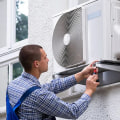
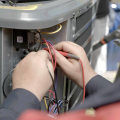
Air conditioning systems are essential for maintaining indoor comfort, especially in regions that experience prolonged periods of heat and humidity. However, like any mechanical system, an AC unit requires consistent care to operate efficiently and reliably. Routine maintenance is not simply about preventing sudden breakdowns; it plays a direct role in extending the overall lifespan of the system. When small issues such as clogged filters, dirty coils, or loose electrical connections go unnoticed, they gradually strain internal components. Over time, this added stress can shorten the life of compressors, motors, and fans. By investing in regular service appointments, homeowners reduce wear and ensure that each component functions as intended.
Enhancing Efficiency and Reducing Strain
One of the primary benefits of routine AC maintenance is improved energy efficiency. When air filters are clean and airflow is unobstructed, the system does not have to work as hard to circulate cool air throughout the home. Dirty condenser coils or evaporator coils force the unit to expend more energy to achieve the desired temperature. This additional strain increases operating costs and accelerates component deterioration. During scheduled maintenance, technicians inspect refrigerant levels, clean coils, tighten connections, and calibrate thermostats to maintain optimal performance. These adjustments reduce unnecessary stress on the system, allowing it to operate smoothly for years longer than a neglected unit.
Preventing Costly Repairs and System Failures
Routine maintenance also minimizes the risk of unexpected repairs. Small issues—such as minor refrigerant leaks or worn belts—can escalate into significant problems if left unaddressed. A failing capacitor, for instance, may initially cause inconsistent cooling but can eventually lead to complete compressor failure. Regular inspections identify these concerns early, allowing for affordable fixes before major components are compromised. Homeowners who prioritize preventative service are less likely to face emergency repair costs during peak summer months when demand for technicians is highest. This proactive approach provides peace of mind and helps maintain uninterrupted comfort.
Supporting Indoor Air Quality and Comfort
Beyond mechanical longevity, AC maintenance supports indoor air quality and overall living comfort. Clean filters and duct systems reduce the circulation of dust, allergens, and airborne pollutants. Proper humidity control prevents excess moisture buildup that could lead to mold growth or unpleasant odors. Technicians may also assess airflow balance to ensure that each room receives consistent cooling. Working with professionals who provide reliable HVAC solutions ensures that the system is optimized not only for durability but also for health and comfort. A well-maintained AC unit delivers steady temperatures and improved air circulation throughout the home.
Long-Term Financial and Environmental Benefits
Extending the lifespan of an AC system offers both financial and environmental advantages. Replacing an entire HVAC unit is a significant investment, so maximizing its operational years reduces long-term expenses. Additionally, an efficiently running system consumes less energy, lowering monthly utility bills and reducing environmental impact. Modern maintenance practices often include recommendations for programmable thermostats or system upgrades that enhance sustainability. By keeping the existing system in peak condition, homeowners delay costly replacements and contribute to more responsible energy use.
Ultimately, routine AC maintenance and service are foundational to extending system lifespan. Through preventative care, efficiency improvements, early problem detection, and enhanced air quality, homeowners protect their investment and ensure consistent comfort. A proactive maintenance schedule transforms the AC system from a reactive expense into a long-term asset, delivering reliable performance season after season.