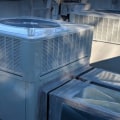
Air conditioning systems rely heavily on electrical components to function efficiently, making the electrical system a critical factor in overall AC maintenance and performance. From powering compressors and fans to controlling thermostats and sensors, electricity drives every aspect of an AC unit’s operation. When electrical connections are stable and properly maintained, the system can deliver consistent cooling and optimal energy efficiency. However, issues such as loose wiring, worn-out capacitors, or fluctuating voltage can quickly compromise performance and lead to unexpected breakdowns. Regular inspections of electrical components help identify potential problems early, ensuring that the system remains reliable even during peak usage periods. By understanding the electrical backbone of an AC system, homeowners and technicians can take proactive steps to maintain comfort and efficiency throughout the year.
Key Electrical Components That Impact Performance
Several electrical components play a direct role in how well an air conditioning system performs. Capacitors, for instance, store and release energy to start and run the compressor and fan motors. If a capacitor begins to fail, the AC unit may struggle to start or operate inefficiently. Contactors, which control the flow of electricity to the system, must also be in good condition to prevent interruptions in operation. Additionally, thermostats act as the control center, communicating temperature settings and triggering the system to turn on or off as needed. When these components are properly maintained and calibrated, the AC system can function smoothly and respond accurately to cooling demands. Homeowners who want to learn more about their system’s performance often discover that many common AC issues stem from overlooked electrical components rather than mechanical failures alone.
Preventing Failures Through Electrical Maintenance
Routine electrical maintenance is essential for preventing costly AC repairs and extending the lifespan of the system. This includes checking for signs of wear, tightening connections, and ensuring that circuits are not overloaded. Power surges and inconsistent voltage levels can also damage sensitive components, making it important to have proper surge protection in place. Technicians typically use specialized tools to measure voltage, current, and resistance, ensuring that all electrical elements are operating within safe parameters. Addressing minor electrical issues early can prevent them from escalating into major failures that require expensive replacements. Moreover, well-maintained electrical systems contribute to improved energy efficiency, helping homeowners reduce their utility bills while maintaining a comfortable indoor environment.
Enhancing Long-Term Efficiency and Reliability
The role of electrical systems in AC maintenance extends beyond immediate performance—it also influences long-term efficiency and reliability. When electrical components are properly integrated and maintained, the entire system operates more smoothly, reducing strain on individual parts. This not only minimizes the risk of breakdowns but also ensures that the AC unit can handle varying temperature demands without excessive energy consumption. Coordinating electrical maintenance with regular HVAC servicing creates a comprehensive approach that keeps systems running at peak performance. Over time, this proactive strategy leads to fewer disruptions, lower maintenance costs, and a more dependable cooling system. By prioritizing the electrical aspects of AC care, homeowners can enjoy consistent comfort and peace of mind, knowing that their system is built to perform efficiently for years to come.