Property management involves balancing comfort, operational efficiency, maintenance costs, and long-term asset preservation. Whether managing a single-family residence, a rental property, or a larger portfolio of buildings, property owners often face decisions about when and how to maintain critical systems. Air conditioning equipment is one of the most important systems in any property, particularly in regions that experience extended periods of warm weather. While many people address AC issues only when a breakdown occurs, preventive AC service offers a more strategic approach. By focusing on routine inspections, maintenance, and performance evaluations, property owners can improve efficiency, reduce costs, and support broader property management goals.
Reducing Unexpected Equipment Failures
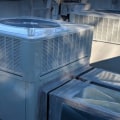
One of the most immediate benefits of preventive AC service is the reduction of unexpected breakdowns. Air conditioning systems consist of numerous components that experience wear over time, including motors, fans, coils, electrical connections, and refrigerant systems. Small issues can gradually develop into larger problems if left undetected. Routine maintenance helps identify these concerns early, allowing technicians to perform adjustments or repairs before major failures occur. For property managers, this proactive approach reduces emergency service calls, minimizes disruptions for occupants, and helps maintain a more predictable maintenance schedule.
Supporting Energy Efficiency Goals
Energy efficiency is a major priority in modern property management. HVAC systems are often among the largest consumers of energy within a building, making their performance especially important. Dirty filters, restricted airflow, worn components, and neglected maintenance can all reduce efficiency and increase operating costs. Preventive AC service helps ensure that equipment operates at optimal levels by addressing these issues before they impact performance. Well-maintained systems generally consume less energy while providing consistent comfort, contributing to lower utility expenses and more sustainable property operations.
Improving Long-Term Asset Management
Property management is not just about addressing immediate needs—it also involves protecting long-term investments. Air conditioning systems represent a significant asset, and replacing HVAC equipment can be a substantial expense. Preventive service helps extend the lifespan of existing equipment by reducing unnecessary wear and supporting proper operation. Routine maintenance allows property owners to maximize the value of their HVAC investments while delaying the need for costly replacements. This long-term perspective aligns with broader asset management strategies focused on preserving property value and controlling ownership costs.
Enhancing Coordination With Other Maintenance Activities
Preventive AC service can also improve coordination between various property maintenance efforts. HVAC inspections often reveal conditions that affect other building systems, such as ventilation issues, moisture concerns, insulation deficiencies, or airflow restrictions. Addressing these findings as part of a broader maintenance plan helps create a more comprehensive approach to property care. In many cases, property owners who schedule regular HVAC service are better positioned to coordinate maintenance activities across multiple systems, improving overall building performance and reducing operational inefficiencies.
Supporting Occupant Satisfaction and Comfort
Comfort plays a major role in successful property management, particularly for rental properties and multi-occupant buildings. Reliable air conditioning contributes to a positive living or working environment, helping reduce complaints and improve tenant satisfaction. Preventive maintenance helps ensure that cooling systems remain dependable during periods of peak demand. Property managers who prioritize HVAC care often experience fewer comfort-related issues and stronger occupant retention over time. Those exploring HVAC improvements may even choose to get a free estimate as part of evaluating long-term maintenance and replacement strategies.
A Proactive Approach to Property Performance
Ultimately, preventive AC service supports more efficient property management by reducing breakdowns, improving energy efficiency, extending equipment lifespan, enhancing maintenance coordination, and promoting occupant comfort. Rather than reacting to problems after they occur, property owners who invest in routine HVAC maintenance create a more predictable and cost-effective management strategy. This proactive approach helps protect valuable assets while supporting the long-term performance, reliability, and efficiency of the entire property.