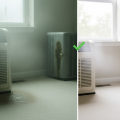
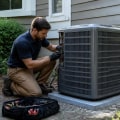
When homeowners think about keeping their air conditioner running efficiently, they often focus on thermostat settings, refrigerant levels, or replacing air filters. While each of these factors is important, airflow is one of the most influential yet least discussed aspects of air conditioning performance. Every cooling system is designed to move a specific volume of air across its components to remove heat effectively and maintain comfortable indoor temperatures. If airflow is restricted or uneven, even a modern, energy-efficient air conditioner can struggle to cool a building properly. Reduced airflow forces the equipment to work harder, increases operating times, and may create inconsistent temperatures from one room to another. Because airflow problems often develop gradually, occupants may simply assume their system is aging when, in reality, correcting airflow issues could significantly improve comfort and efficiency without replacing major equipment.
Balanced Air Movement Supports Efficient Cooling
Proper airflow begins with a well-designed HVAC system that accounts for the building’s size, layout, insulation, and occupancy patterns. Supply ducts must deliver conditioned air evenly throughout the structure, while return ducts need to collect indoor air efficiently so it can be cooled and recirculated. If either side of the system becomes restricted by dirty filters, blocked vents, damaged ductwork, or poorly designed airflow paths, cooling performance begins to decline. Air that cannot circulate freely spends less time transferring heat at the evaporator coil, reducing the system's ability to remove warmth and humidity from indoor spaces. Rooms located farther from the equipment may become noticeably warmer, while other areas cool too quickly, creating uneven comfort throughout the building. Maintaining balanced airflow allows every component of the air conditioning system to perform as intended, improving both efficiency and occupant satisfaction.
Airflow Influences More Than Temperature
Many people are surprised to learn that airflow affects much more than how cool a room feels. Proper circulation also plays an essential role in humidity control, indoor air quality, and equipment longevity. Air conditioners naturally remove moisture while cooling, but inadequate airflow can reduce this dehumidification process, leaving indoor spaces feeling damp or uncomfortable even when the temperature appears acceptable. Restricted airflow may also cause evaporator coils to become excessively cold, increasing the risk of ice formation that further limits cooling performance. Over time, this added strain can place unnecessary stress on compressors, blower motors, and other critical components, leading to more frequent repairs and shorter equipment life. Regular inspections by qualified HVAC professionals—or, in more complex building environments, a ventilation company with expertise in airflow management—can identify hidden restrictions before they evolve into costly problems. These evaluations often include measuring airflow, inspecting ductwork, checking blower performance, and verifying that the system operates within its intended design specifications.
Small Maintenance Steps Deliver Lasting Benefits
Fortunately, many airflow issues can be prevented through consistent maintenance and simple everyday habits. Replacing air filters on schedule, keeping supply and return vents free from furniture or curtains, sealing duct leaks, and scheduling routine HVAC inspections all help preserve proper air circulation. Homeowners should also avoid closing too many interior vents in an attempt to redirect cooling, as doing so may disrupt system balance and increase operating pressure. During seasonal maintenance, technicians can inspect blower assemblies, clean evaporator coils, verify airflow measurements, and identify developing issues before they affect overall performance. These preventive efforts not only improve energy efficiency but also contribute to more consistent temperatures, quieter operation, and healthier indoor environments. While air conditioners often receive attention for their cooling capacity or energy ratings, their true performance depends heavily on the quality of airflow moving through the entire system. By recognizing airflow as a critical component rather than an afterthought, property owners can enjoy greater comfort, lower operating costs, and more reliable cooling throughout every season.