Air conditioning systems are essential for maintaining comfortable indoor temperatures, improving air quality, and supporting energy efficiency in residential and commercial buildings. Most discussions about AC maintenance and service focus on filter replacement, refrigerant levels, electrical components, and seasonal tune-ups. While these maintenance tasks are important, they represent only part of what contributes to a reliable and efficient cooling system. The condition of the building itself—including its structural framework, equipment supports, drainage systems, and surrounding infrastructure—can significantly influence HVAC performance. Structural planning and routine AC maintenance often work together behind the scenes to protect both the mechanical equipment and the building, creating a relationship that is frequently overlooked but essential for long-term property performance.
Structural Support Protects Mechanical Equipment
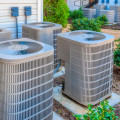
Air conditioning equipment places continuous loads on rooftops, walls, equipment pads, and supporting structures throughout its service life. Rooftop units, outdoor condensers, suspended air handlers, and associated ductwork all require secure support systems capable of carrying both static and operational loads. If these structural supports deteriorate or shift over time, HVAC equipment may experience excessive vibration, uneven operation, or premature wear. Structural planning helps ensure that equipment is installed on properly designed support systems that distribute loads safely while accommodating long-term use. Routine AC maintenance may also reveal signs of movement, corrosion, or deterioration around equipment supports, providing an opportunity to investigate potential structural concerns before they become more serious.
Drainage Plays a Critical Role
One of the most important connections between AC maintenance and structural planning involves moisture management. Air conditioning systems generate condensate that must be directed away from the building through properly functioning drainage systems. Clogged drain lines, damaged condensate pans, or poorly designed drainage pathways can allow water to accumulate around structural components, leading to wood deterioration, corrosion, mold growth, or damage to ceilings and walls. Structural planning considers how water moves through and away from the building, helping protect framing systems, foundations, and finishes from long-term moisture exposure. Companies such as Open Concept Engineering recognize that successful building performance depends on integrating structural planning with mechanical system design so that both systems work together efficiently throughout the life of the property.
Renovations Offer Opportunities for Structural Evaluation
Many AC replacement or upgrade projects involve accessing roof spaces, ceiling cavities, mechanical rooms, or wall assemblies that are rarely exposed during normal building use. This creates an ideal opportunity to inspect structural components that may otherwise remain hidden for years. Contractors and structural professionals may identify deteriorated framing, water damage, corrosion, previous modifications, or inadequate equipment supports while mechanical work is already underway. Addressing these issues during planned HVAC service or replacement helps reduce future repair costs and prevents hidden structural deficiencies from affecting the performance of newly installed equipment. Coordinating maintenance with structural evaluation allows property owners to make more informed decisions while minimizing disruption to the building.
Supporting Long-Term Building Performance
A well-maintained air conditioning system performs best when the surrounding building remains structurally sound. Stable equipment supports reduce vibration, properly sloped drainage systems prevent moisture damage, and structurally secure roof assemblies help protect mechanical equipment from unnecessary movement or environmental exposure. Likewise, consistent HVAC maintenance helps identify developing issues before they affect surrounding structural elements. When structural planning and mechanical maintenance are considered together, buildings often experience fewer unexpected repairs, improved energy efficiency, and longer equipment service life. This integrated approach supports the overall reliability of both the HVAC system and the property itself.
A Comprehensive Approach to Property Maintenance
The relationship between AC maintenance and structural planning is rarely discussed, yet it plays a significant role in preserving building performance over time. Mechanical systems and structural components depend on one another to function efficiently, and overlooking either aspect can increase the likelihood of costly repairs. By combining routine HVAC service with thoughtful structural planning, property owners can better protect their investment, improve equipment longevity, reduce moisture-related damage, and maintain a safer, more reliable building. Viewing these systems as interconnected rather than independent creates a more proactive maintenance strategy that benefits both occupants and the long-term integrity of the property.