Air conditioning systems depend on more than the condition of the equipment itself. Indoor units, outdoor condensers, refrigerant lines, electrical connections, ductwork, and drain systems all rely on stable structural conditions to remain properly aligned. When a foundation settles unevenly or shifts over time, different parts of the building may move slightly out of position. These changes can place stress on AC components and may contribute to recurring performance problems. Addressing structural concerns can therefore be an important part of protecting the long-term reliability of a cooling system.
Keep Outdoor Equipment Level
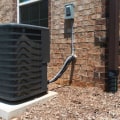
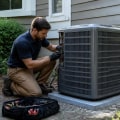
Outdoor condenser units are designed to operate on stable, level surfaces. Foundation settlement or soil movement near the house can sometimes affect the equipment pad, causing the condenser to tilt or shift. An uneven unit may experience additional vibration and place unnecessary stress on connected refrigerant lines. If settlement is affecting multiple areas around the property, professionals such as Bats Foundation Repair San Antonio can evaluate whether foundation movement should be addressed before HVAC technicians make permanent adjustments to the system.
Protect Refrigerant Lines From Structural Stress
Refrigerant lines connect the outdoor condenser to indoor cooling equipment and often pass through walls, crawl spaces, or other structural openings. When parts of the building move at different rates, these lines may become stretched, compressed, or stressed at connection points. Over time, repeated movement can increase the possibility of leaks or damaged fittings. Stabilizing the structure can help create more consistent conditions for these lines and reduce the risk of recurring problems caused by continued movement.
Maintain Proper Condensate Drainage
Air conditioning systems remove moisture from indoor air, creating condensation that must drain away efficiently. Condensate lines depend on proper slope and alignment to move water away from the equipment. Foundation settlement can change the position of floors or walls enough to affect this slope. If drainage becomes restricted, water may back up, overflow, or leak into nearby building materials. After significant structural repairs, HVAC technicians may need to inspect drain lines and confirm that water continues to flow properly.
Prevent Ductwork From Separating
Central AC systems rely on ductwork to distribute conditioned air throughout the home. Structural movement can pull duct sections apart, loosen joints, or cause flexible ducts to sag. Air leaks may then reduce cooling efficiency and create uneven temperatures from room to room. Homeowners might notice that some spaces become harder to cool even though the AC equipment is operating normally. Inspecting ductwork after foundation stabilization can help identify sections that need resealing, support, or adjustment.
Protect Electrical Connections
AC systems require reliable electrical connections to operate safely. Wiring, disconnects, and control cables may run through areas affected by foundation movement. Significant structural shifting can place tension on these components or change the position of electrical equipment attached to walls. Coordinating electrical and HVAC inspections after foundation repairs can help confirm that connections remain secure.
Avoid Repeated Mechanical Adjustments
Repeatedly leveling equipment, repairing refrigerant lines, or reconnecting ducts may provide only temporary results if structural movement continues. When multiple HVAC issues occur alongside sloping floors, wall cracks, or sticking doors, investigating the foundation can help determine whether the problems share a common cause.
Support Long-Term Cooling Performance
Foundation stability cannot prevent every air conditioning problem, since AC systems still require routine maintenance and eventual component replacement. However, a stable structure provides better conditions for equipment, ducts, lines, and drainage systems to remain properly aligned. By addressing foundation settlement when necessary and having HVAC components checked after structural repairs, homeowners can reduce unnecessary stress on the cooling system and support more consistent, efficient, and reliable AC performance over the long term.